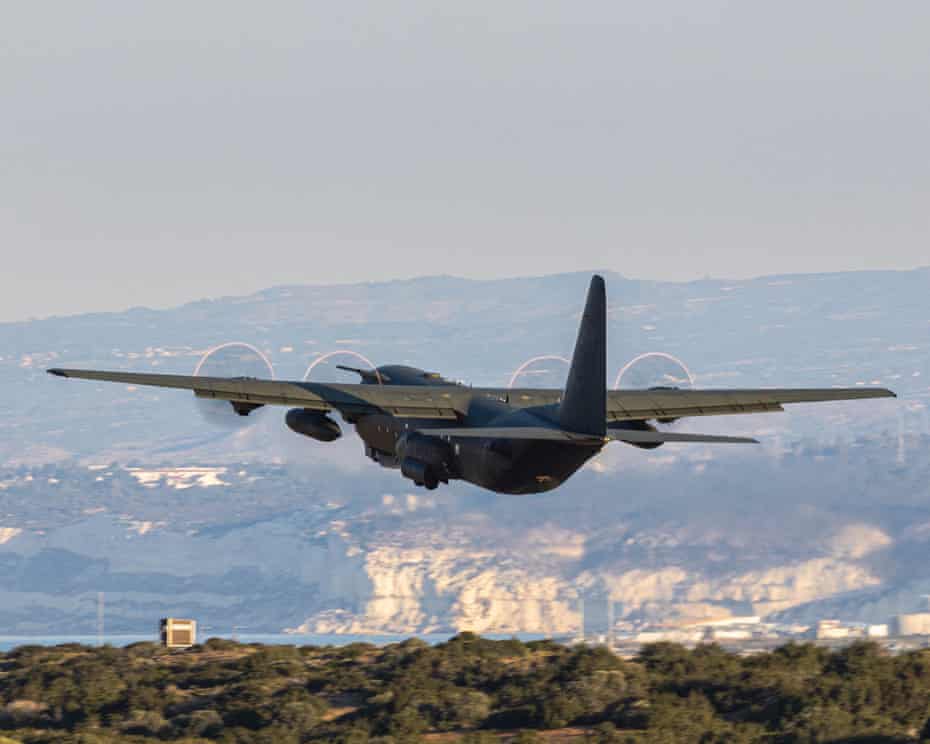
Eleven Nigerian military personnel are reportedly still in Burkina Faso days after their plane made an “unauthorised” landing in the south-west city of Bobo Dioulasso, despite earlier suggestions they had been freed, deepening confusion about the diplomatic standoff.
Burkinabé authorities told the BBC on Tuesday that the troops had been released and given permission to return to Nigeria, but officials in Abuja have said the matter is yet to be resolved.
The Nigerian daily the Punch quoted Kimiebi Ebienfa, a foreign ministry spokesperson, as saying late on Wednesday that that Nigerian embassy in Ouagadougou was “engaging with the host authorities to secure their release”.
The saga began on Monday when a Nigerian military cargo plane, a C-130, travelling from Lagos to Portugal was forced to land in Burkina Faso. Authorities in the country, which is part of the three-member Alliance of Sahel States (AES), called the landing an “unfriendly act carried out in defiance of international law” in a statement that evening.
The Nigerian air force said technical concerns had forced the plane to divert to the nearest airport “in line with standard safety procedures and international aviation protocols”. The Burkinabé authorities had treated the crew courteously and plans were under way to continue the mission, it said.
Conspiracy theories began circulating on social media and offline given that the landing came within 24 hours of Nigerian troops helping to thwart a coup attempt in Benin, which borders Nigeria and Burkina Faso.
The AES trio of Burkina Faso, Mali and Niger officially left the larger Ecowas regional bloc in January, forming a military alliance as it withdrew from many of its traditional local and international allegiances.
you close this tab, we want to ask if you could spare 37 seconds to support our most important fundraising appeal of the year.
In his first presidency, Donald Trump called journalists the enemy; a year on from his second victory, it’s clear that this time around, he’s treating us like one.
From Hungary to Russia, authoritarian regimes have made silencing independent media one of their defining moves. Sometimes outright censorship isn’t even required to achieve this goal. In the United States, we have seen the administration apply various forms of pressure on news outlets in the year since Trump’s election. One of our great disappointments is how quickly some of the most storied US media organizations have folded when faced with the mere specter of hostility from the administration – long before their hand was forced.
While private news organizations can choose how to respond to this government’s threats, insults and lawsuits, public media has been powerless to stop the defunding of federally supported television and radio. This has been devastating for local and rural communities, who stand to lose not only their primary source of local news and cultural programming, but health and public safety information, including emergency alerts.
While we cannot make up for this loss, the Guardian is proud to make our fact-based work available for free to all, especially when the internet is increasingly flooded with slanted reporting, misinformation and algorithmic drivel.
Being free from billionaire and corporate ownership means the Guardian will never compromise our independence – but it also means we rely on support from readers who understand how essential it is to have news sources that are immune to intimidation from the powerful. We know our requests for support are not as welcome as our reporting, but without them, it’s simple: our reporting wouldn’t exist. Of course, we understand that some readers are not in a position to support us, and if that is you, we value your readership no less.